meanshopper.com
A well-established growth hub for E-commerce businesses
★ Get your own unique FAQ + Selling Points on your profile page
★ be seen by 1000s of daily visitors and win new business
meanshopper.com Miniblog
Nearly Two-Thirds Of U.S. Households Now Buy Groceries Online Every Month
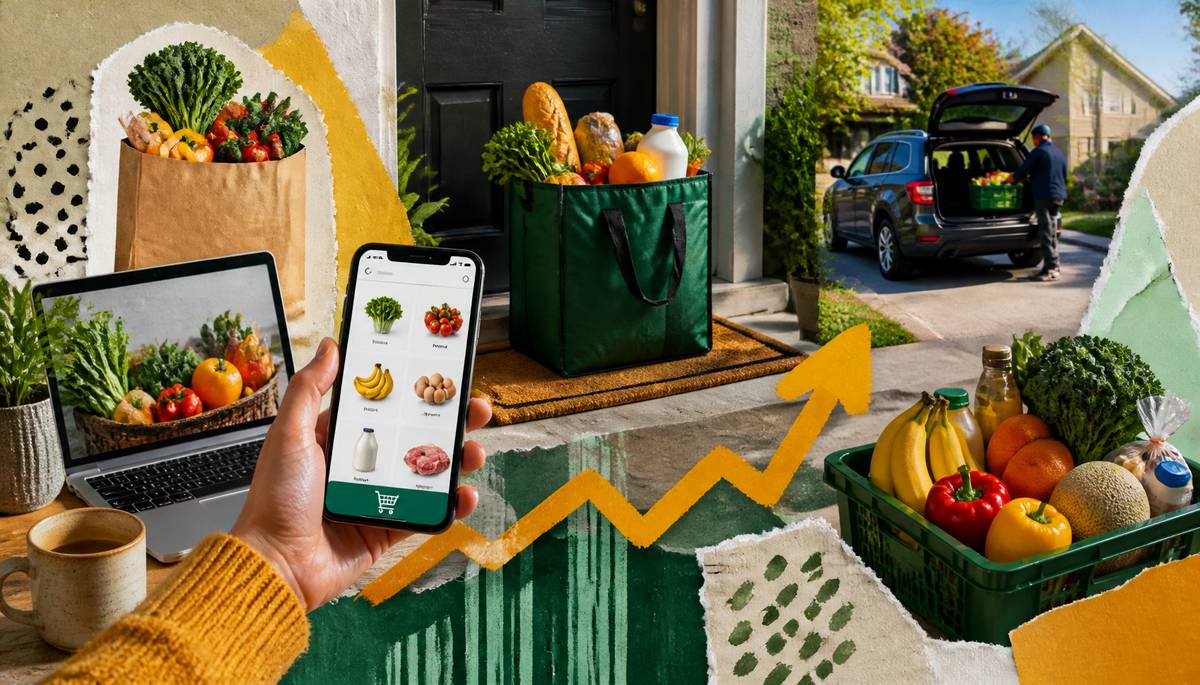 Online grocery has reached a new high: 20.9% of all US grocery spending in the third quarter of 2026. Sales rose 20.7% year on year, extending a run of growth above 20% to eight consecutive quarters. Meanwhile, in-store sales fell compared with a year earlier.
September brought another milestone. Nearly 64% of US households bought groceries online that month; across the quarter, the figure was almost 62%. And 81% of households have now tried online grocery shopping at least once.
Delivery is driving much of the expansion. It grew by more than 30% year on year and accounted for three-quarters of the overall increase in online grocery sales. Pickup managed only mid-single-digit growth, while shipping rose more slowly than the market as a whole. Active shoppers also placed orders 14% more often this quarter. Some are mixing methods: around 17% used delivery, pickup and ship-to-home in the same month.
The competition is speeding up. Walmart commands close to 40% of online grocery sales, while Amazon is pushing into fresh food and faster delivery. For traditional grocers, the challenge is to keep pace without eroding margins or the customer experience.
Online shopping is no longer an occasional convenience. For a growing share of households, it is part of the regular grocery routine.
Posted on 17 October 2026
Why Is Gen X Outspending Gen Z On TikTok Beauty?
 TikTok may look like Gen Z’s natural habitat, but beauty spending tells a slightly more grown-up story. According to Circana, Gen X and older Millennials are actually spending more on TikTok Shop beauty than Gen Z, which says a lot about who has the disposable income and who is happy to buy a serum after watching a stranger with excellent lighting swear by it.
The platform has pulled in $2.08 billion in U.S. beauty and personal care sales since launch, making beauty its biggest category by far. It also ranks as the third-largest beauty e-commerce channel overall. Not bad for an app once dismissed as dancing and chaos.
What’s driving the spend is less brand prestige and more proof. Shoppers are responding to visible results, creator trust and products that slot neatly into routines. Skin care is huge, especially moisturisers, mists, serums and collagen-led sets promising glow, firming and glass skin. K-beauty is a standout, with brands including Medicube, Dr.Melaxin, CosRx, Skin1004 and Anua helping generate more than $245 million in sales between January and June 2026.
Hair care is rising fast too, especially scalp health, growth and repair. Fragrance is thriving through storytelling and reviews alone, which feels bold but apparently works. Add in tools and devices worth $158 million, and it’s clear TikTok beauty shoppers aren’t browsing casually. They’re building full routines, and older shoppers are spending like they mean it.
Posted on 13 October 2026
Why Surprise Shipping Fees Still Murder Holiday Conversions
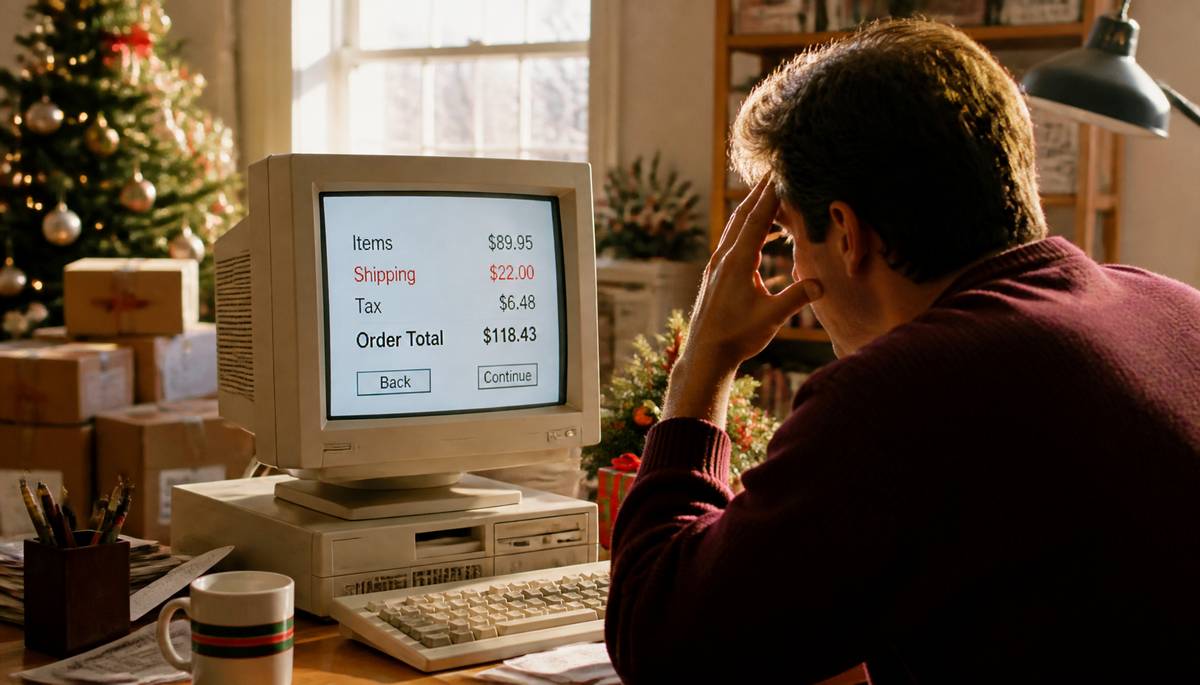 The most maddening thing about surprise shipping fees is how primitive they feel. We can stream a film in eight seconds, but a retailer still acts like postage is a plot twist.
And shoppers hate plot twists at checkout. During peak season, they arrive ready to buy, then get ambushed by a higher total in the final screen. According to Baymard Institute survey data from 2026, slow delivery is one of the biggest avoidable reasons people abandon purchases, but surprise costs are still worse. That tracks. A late parcel is disappointing; a hidden fee feels vaguely insulting.
This matters more at Christmas because intent is fragile. People compare tabs, panic-buy on mobile, and have roughly the patience of someone searching for batteries on 23 December. If the checkout is cluttered, insists on account creation, offers awkward payment options, or suddenly adds shipping, tax, or cross-border fees, the sale can vanish.
The fix is not mystical. Show the full cost early. Explain why delivery prices vary. For international orders, display landed cost, including duties and taxes, before payment, not after. Pair that honesty with realistic delivery windows, because an attractive promise you miss is just another version of the same lie.
Peak season exposes operational weakness with the subtlety of a stadium floodlight. Transparent checkout still converts because trust still converts. Posted on 5 October 2026
USPS's "Lost And Found" Barely Returns Anything-And The Real Number Is Stunning
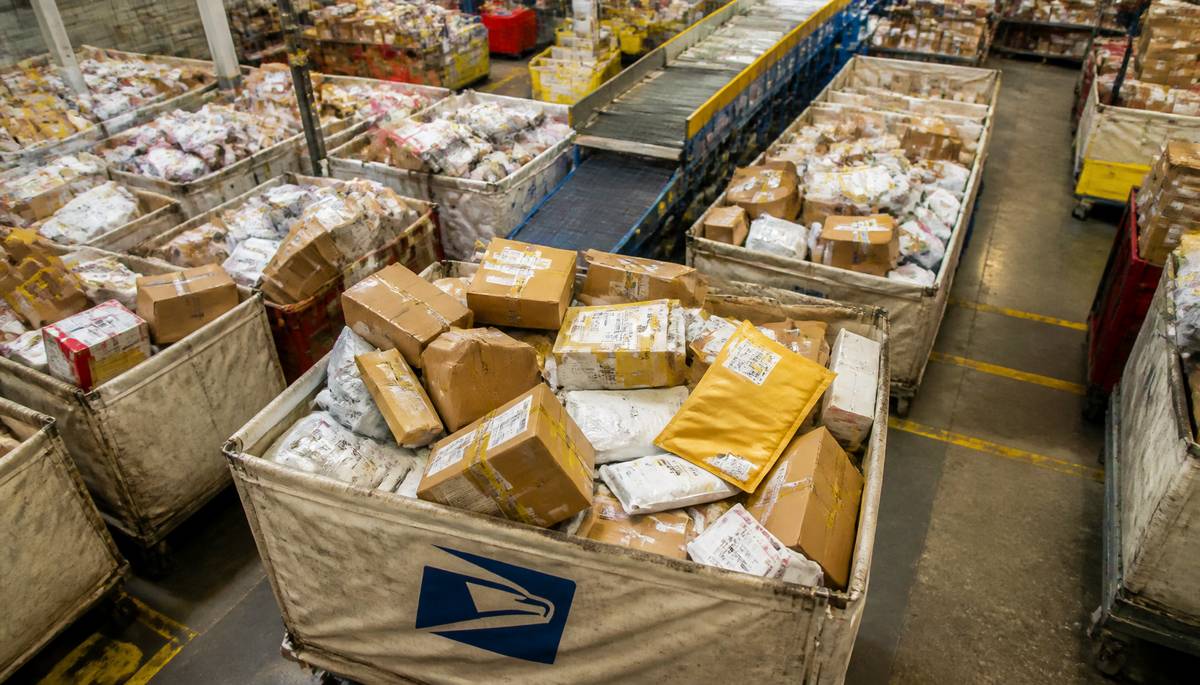 The American postal service has discovered, with admirable lateness, that its lost-property office is less a bureau of recovery than a municipal tip with clerical habits.
An inspector general’s audit found the USPS forwent $163 million in a year as online sellers and fulfilment centres used undeliverable parcels as a cheap way to get rid of stock. When return-to-sender packages came back with postage due, many senders simply refused them. The bill, naturally, was left with the post.
The figures are worse than the official story suggested. The Mail Recovery Center, the service’s great warehouse of misaddressed hopes, handled an estimated 19 million parcels in the year to February, three-quarters from commercial shippers. Yet it returned under 1% of missing packages to customers, despite management claiming 39%. That flattering number rested on excluding 98% of parcels from the calculation, with an old spreadsheet error obligingly inflating it further.
Much of the trouble came from Parcel Select, a bargain shipping product that does not include returns. Sending those parcels back can cost at least $12.63 each, while processing them may swallow 20% to 65% of an item’s value. Refusing delivery, from a warehouse manager’s point of view, is merely sound housekeeping.
Meanwhile, packages were miscounted by the million, “dead mail” was often badly labelled, and some trailers sat for 30 days awaiting attention.
Posted on 26 September 2026
The Real Holiday Winner Won't Be Stores. It'll Be E-Commerce.
 High street tills may still get a festive workout, but the bigger winner looks set to be online retail, striding off with the best growth numbers like a confident uncle in a new cardigan.
Deloitte expects total holiday retail sales from November 2026 to January 2027 to rise by 4% to 4.8%, landing between $1.7 trillion and $1.71 trillion. That would top last year’s 4.1% increase, when sales reached $1.63 trillion, excluding cars and petrol.
Online shopping, though, is moving faster. E-commerce sales are forecast to jump by 7.5% to 8.4%, reaching roughly $316.1 billion to $318.9 billion. The reason is fairly plain: shoppers are using more digital tools to browse, compare prices and buy, often without ever setting foot near a jangly shop door.
Those tools are increasingly shaping the start of the shopping trip. Bain says 24% of holiday shoppers plan to begin product discovery through digital assistants such as Gemini, ChatGPT and Claude, up sharply on 2025.
There’s also more spending power in the mix. Disposable personal income is expected to grow by 4.5% to 5.2%, which tends to support both store and online sales. Even so, shoppers remain cautious little ferrets, hunting for offers, switching brands and timing purchases around promotions. Retailers that stocked up early, wary of tariff changes and supply snags, may be especially glad they did. Posted on 21 September 2026
Why Cross-Border E-Commerce Winners May Be Built On Payment Rails, Not Storefronts
 Cross-border shopping looks glamorous on the surface. Cute storefronts, slick apps, maybe a free shipping banner flirting with your self-control. But the real winners may sit underneath: payments, lending and checkout systems that make international buying feel boring in the best possible way.
That is why Sea, Grab Holdings and Global-E Online are worth watching. Sea, valued at about US$65.1 billion, has built Shopee and SeaMoney right where cross-border demand, wallets and logistics overlap. Better logistics tech, sharper advertising tools and a stronger content ecosystem are helping customer experience while lifting take rates and easing per-order costs. The big question is simple: can that cost base stay behaved long enough for margins to keep improving?
Grab, with a market value near US$12.4 billion, is a different beast. Its US$3.7 billion in revenue comes mainly from Deliveries at US$1.99 billion and Mobility at US$1.31 billion, with Financial Services adding US$430 million. The attraction here is the loop: transport and food orders feed payments and lending, which deepen merchant and consumer loyalty. But funding costs matter. A lot.
Global-E Online, worth roughly US$6.2 billion, is the backstage crew for brands selling abroad. Its platform handles local pricing, payments, taxes and shipping, generating about US$1.11 billion in revenue. If trade rules get tougher, merchant appetite could wobble. If compliance becomes a moat, Global-E could get stronger.
The storefront gets attention. The rails may collect the money.
Posted on 16 September 2026
Etsy And Shopify Fell Together For Opposite Reasons
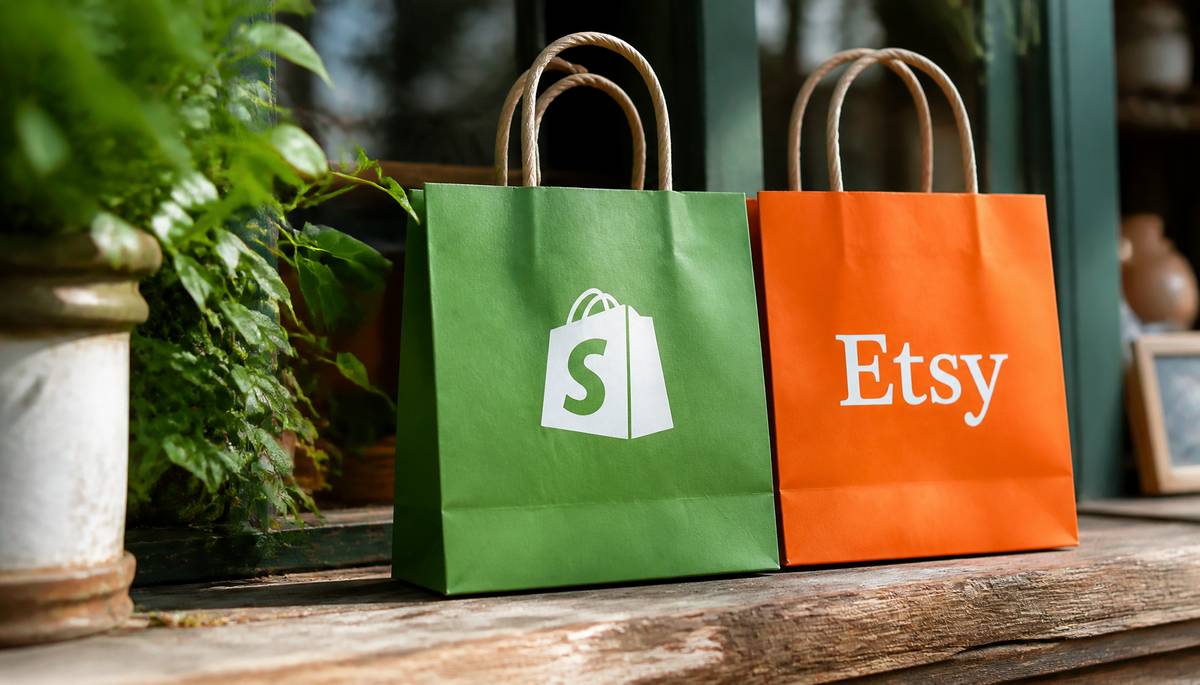 Shopify and Etsy dropped in tandem on Tuesday, but the symmetry is misleading. Shopify fell 7% to $134.10, Etsy 6% to $71.93, and there was no clear company news to explain either move. That matters.
If this were a proper e-commerce sell-off, you would expect the pain to spread more evenly. It didn’t. MercadoLibre slipped 3% to $1,925.68, almost exactly in line with the Amplify Online Retail ETF, also down 3%. That suggests a mild sector wobble, not a full-throated rejection of online retail.
The oddity is that Shopify and Etsy arrived here from opposite directions. Shopify has already had a rough year, down 17% year to date, while Etsy is still up 30%. Yet both were sold at once. That looks less like a shared collapse in belief and more like investors trimming risk where valuations and positioning had become awkward.
Shopify’s valuation is still rich, near 142 times earnings, and its options market looks notably defensive, with a put/call ratio of 1.59. Etsy’s ratio is a milder 0.87, while MercadoLibre’s 0.49 shows traders remain relatively constructive there.
None of this erases the strong August results. Shopify posted Q2 revenue of $3.58 billion, up 33.7%. Etsy delivered $668 million, raised guidance and authorised a $2 billion buyback. For now, this looks like a market mood swing, not a verdict. Patience is probably the wiser trade.
Posted on 9 September 2026
The Real Catch In YouTube's New Amazon Tags
YouTube’s new Amazon product tags sound tidy enough: tap a product in a video, Short or livestream, and buy it there and then, instead of rooting through the description for an affiliate link. For creators, the pitch is simple. Less friction, more commission.But the catch is doing a fair bit of heavy lifting here.
First, this is not open season for every channel. Creators need full YouTube monetisation, then access to YouTube Shopping, then a linked Amazon Associates or Influencer account. That alone trims the field. After that, the catalogue itself is patchy. You can manually tag from YouTube’s approved pool of Amazon products, or switch on auto-tagging and let YouTube scan uploads for eligible items. If a product is missing, creators have to ask support to consider it.
That matters because availability looks to be the real snag. Some affiliates say the system often fails to find the products they actually feature. Others argue YouTube viewers barely click these shopping tags anyway, making the promised convenience a bit academic. One user compared it unfavourably with Facebook, where their Amazon conversion rate was far better.
There is another wrinkle. Some creators say these tags may interfere with Amazon bonus incentives tied to other affiliate routes. So yes, the new setup could shorten the path from recommendation to sale. But only if the product is taggable, the viewer taps, and the economics still stack up.
Posted on 4 September 2026
You Cannot Buy Your Way Into Google AI Mode
 You cannot simply throw money at Google AI Mode and expect to appear, like a nervous millionaire trying to buy charisma. There is no button for “put me in the clever answers”. You do not purchase placements directly.
Instead, eligibility comes through running Performance Max and AI Max for Search and Shopping. From there, Google builds an ad on the fly using your feed and creative assets when your product suits the shopper’s query. Which is faintly insulting, really: the thing deciding your visibility is not swagger, not targeting wizardry, but whether your product data is specific enough to make sense.
That matters even more now because Google has introduced four Gemini-built formats: Conversational Discovery Ads, Highlighted Answers, AI-powered Shopping Ads and Business Agent for Leads. For ecommerce, the first three are the ones to watch. They do not simply serve a finished advert; they assemble a query-specific explanation from your product information. Some are still being tested in the US.
So yes, you should change your product feed. Probably immediately. Thin descriptions and vague titles lead to feeble outputs. Google has also added optional conversational fields, including question-and-answer attributes, to help its systems understand and recommend products more accurately.
Tracking is still awkward. There is no proper AI Mode report yet. Google is rolling out AI Performance Insights in Merchant Center, including a share-of-voice metric, though the date remains unconfirmed. Until then, conversational query reporting in AI Max and branded search trends are your best imperfect clues.
Posted on 29 August 2026
Canada's Dollar-For-Dollar Tariff Threat Changes The Fight
 Donald Trump has decided Canada wants the perks of statehood without the inconvenience of actually becoming a state, which is one way of describing a close ally you’re currently slapping with tariffs.
In a Truth Social post on Sunday, he claimed Canada had long hit American farmers with hefty import charges and declared that era over. The timing matters. A new 50 per cent US tariff package has just taken effect, and Ottawa is not shrugging and moving on.
Mark Carney said on Saturday that Canada will answer from 8 September with retaliatory tariffs matched dollar for dollar. The targets are broad and pointed: steel, dairy, appliances, farm machinery, pulp and paper, and electronics. He said more detail will follow in the coming days, stressing that the move is reluctant but aimed at shielding Canadian workers, families, farmers and businesses.
That phrase, “dollar for dollar”, changes the tone. This is no vague threat tossed into the wind. It is a direct promise to mirror the hit and make the cost impossible to ignore.
The wider backdrop is already weird enough. Trump has repeatedly floated the idea of Canada as the 51st state and has mocked Carney as a future governor. Canada, unsurprisingly, has rejected the joke, if joke is the word, and relations have worsened accordingly. Posted on 23 August 2026
Smart Retailers Are Building Christmas Before Halloween
 Christmas retail now starts while pumpkins are still on the shelves. The smartest online sellers are not waiting for November, because festive success is no longer just about having enough stock. It is about timing, visibility and making it easy for shoppers to say yes.
New research from Digital Commerce 360 shows retailers are planning promotions earlier, especially those selling customised or made-to-order goods. That makes sense. If a business needs extra time to craft and deliver an order, launching festive pages well before the Cyber 5 is not early. It is survival.
They are also paying close attention to visitors arriving through recommendation-driven search tools. Adobe found that traffic from those channels not only grew in 2025 but converted better in the first quarter of 2026. Some retailers are already seeing meaningful referral volume. Povison says it gets about 5% of inbound traffic that way and expects that share to reach 10% next year. For brands like Draco Diamond, one visit is rarely the whole story; shoppers often return several times before buying.
Then there is stock visibility, the retail equivalent of saying, “Yes, we actually have it.” Chains that show in-store availability online converted at 3.1% in 2025, ahead of the 2.9% average for Top 1000 retail chains. During Christmas, certainty sells.
Posted on 16 August 2026
The Next Era Of E-Commerce
 Shopify is putting up the sort of numbers that make rivals look as though they’re selling socks from a card table in a bus station. In the second quarter of 2026, revenue rose 34% to $3.58 billion, beating expectations by $141 million, while adjusted earnings came in at $0.42 a share. Gross merchandise volume reached $116 billion, up 32% year on year. Not shabby.
The real spark is in merchant services, which brought in $2.8 billion, up 37%, while subscription revenue climbed 22% to $802 million. Europe is moving particularly well, with GMV there up 34%, ahead of North America’s 28%. That matters, because it shows growth isn’t coming from one overworked patch of the map.
Profitability is improving too. Gross profit hit $1.7 billion, up 31%, and free cash flow jumped 55% to $654 million, lifting the margin to 18% from 16% a year earlier. That gives Shopify options: more product development, acquisitions, or share buybacks, with the repurchase programme recently increased by $3 billion.
The clever tools built into the platform are helping merchants sell more and work faster. Sidekick, in particular, drove a 3.6-fold rise in daily active merchants. Expensive? Yes, a bit. At 10.3 times forward revenue, the shares are hardly in the bargain bin. But with GMV still above 30%, margins holding up, and growth spreading across regions, the premium looks earned.
Posted on 12 August 2026
Why Are Online Sellers Suddenly Fleeing The Biggest Marketplaces?
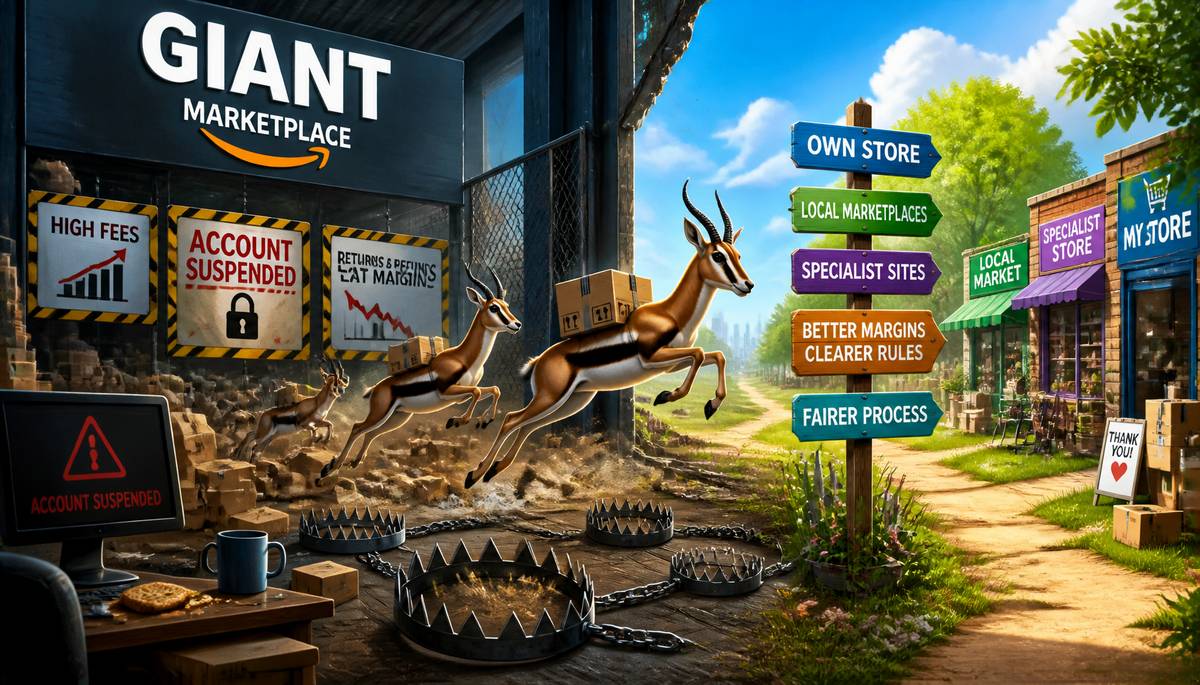 A funny thing is happening in online retail: sellers are legging it from the giant marketplaces like startled gazelles in a car park.
The reason is not mysterious. Costs are climbing. Big platforms have pushed up commission rates and operating charges, and for many small and mid-sized traders that takes a rude bite out of already thin margins. Selling plenty but keeping less is not much of a party.
Then there’s the trapdoor problem. Accounts can be suspended or shut with alarming speed over suspected counterfeit stock or technical compliance breaches. Some cases may be justified, of course, but sellers often complain the process is blunt, slow and maddeningly opaque. One minute you’re trading, the next you’re shouting at a screen and eating a biscuit for strength.
Returns are another sore point. Marketplaces tend to favour the customer, which sounds lovely until the seller is left covering refunds, postage and disputed complaints. If that happens often enough, confidence goes out the window wearing one shoe.
The fallout is becoming measurable. Mediation services and digital dispute bodies are seeing a sharp rise in complaints linked to major platforms. At the same time, more sellers are trying local marketplaces, specialist sites and their own storefronts, hoping for clearer rules, closer margins and fewer nasty surprises.
The biggest marketplaces still offer huge reach. But for many sellers, reach no longer feels worth the wrestle.
Posted on 3 August 2026
Cross-Border Shopping Is Exploding-And Logistics Is The Hidden Kingmaker
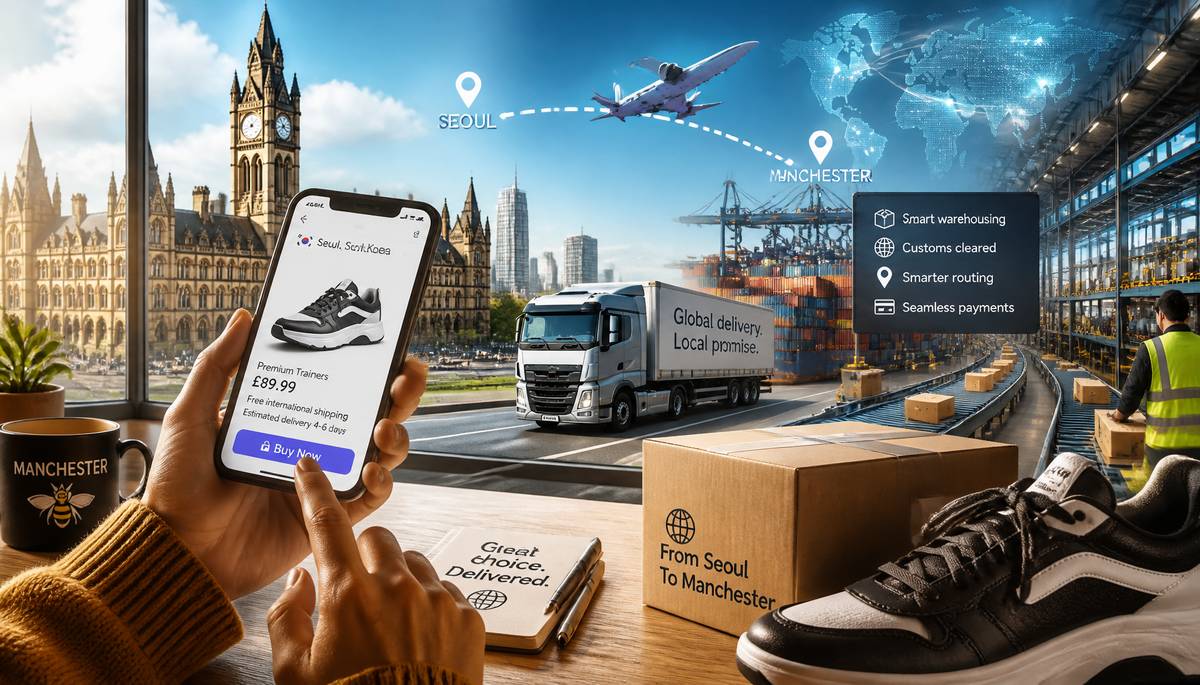 A shopper in Manchester taps a screen and buys trainers from Seoul. Looks simple. It isn’t. The quiet muscle behind that sale is logistics, and it is starting to decide who wins as cross-border shopping surges.
Mordor Intelligence estimates global e-commerce will grow from USD 36.21 trillion in 2026 to USD 77.58 trillion by 2031, a steep climb driven by a 16.46% annual growth rate. That rise is being pushed by more online buying across both consumer and business markets, stronger digital habits, and wider product choice. Mobile is a big part of the story. More shoppers now buy through phones, helped by slick apps and payment tools that remove friction.
But selling across borders is where the plot thickens. Customers may enjoy greater choice, yet they still expect fast delivery, clear tracking, easy returns and no nasty surprises at checkout. That means retailers need more than a polished storefront. They need reliable warehousing, customs handling, smarter routing and payment systems that work across markets.
Digital wallets, cards and alternative payment methods are helping keep buyers moving from browse to purchase. Meanwhile, B2C and B2B sellers are both expanding online, chasing reach and efficiency in equal measure.
The glamour sits on the screen. The power sits in the supply chain. In cross-border e-commerce, logistics is not a back-office detail. It is the hidden kingmaker.
Posted on 29 July 2026
Border Rules, Not Shoppers, Are Starting To Pick E-Commerce Winners
 The old promise of online retail was simple: if shoppers wanted it, platforms could move it cheaply across borders. That promise is fading. By mid-2026, customs charges, parcel fees and tighter inspections were starting to matter as much as demand.
The clearest signal came on 1 July 2026, when the EU introduced a flat €3 import fee on certain low-value parcels under €150. It is aimed squarely at the model that helped low-cost Chinese sellers flood Europe with individually shipped bargains. That shift matters because it changes the economics of the basket before the customer even clicks buy.
This is why Amazon and Alibaba now look less like a straightforward retail comparison and more like two different answers to the border question. Amazon’s first quarter of 2026 showed net sales of $181.5 billion, up 17%, with AWS revenue rising 28% to $37.6 billion and delivering $14.2 billion in operating income. That cloud engine gives Amazon cover when retail margins tighten.
Alibaba’s picture is harsher. Fiscal fourth-quarter revenue reached RMB243.4 billion, up 3%, while Cloud Intelligence grew 38%. Yet adjusted EBITA fell 84%, and free cash flow swung to a negative RMB17.3 billion as it spent heavily on AI, cloud and overseas growth.
The lesson is plain enough: the winners in e-commerce may be the firms with warehouses near customers, stronger domestic infrastructure, and less dependence on lenient border rules. Posted on 24 July 2026
AI Isn't Just Recommending Supplements-It's Starting To Shop For Them
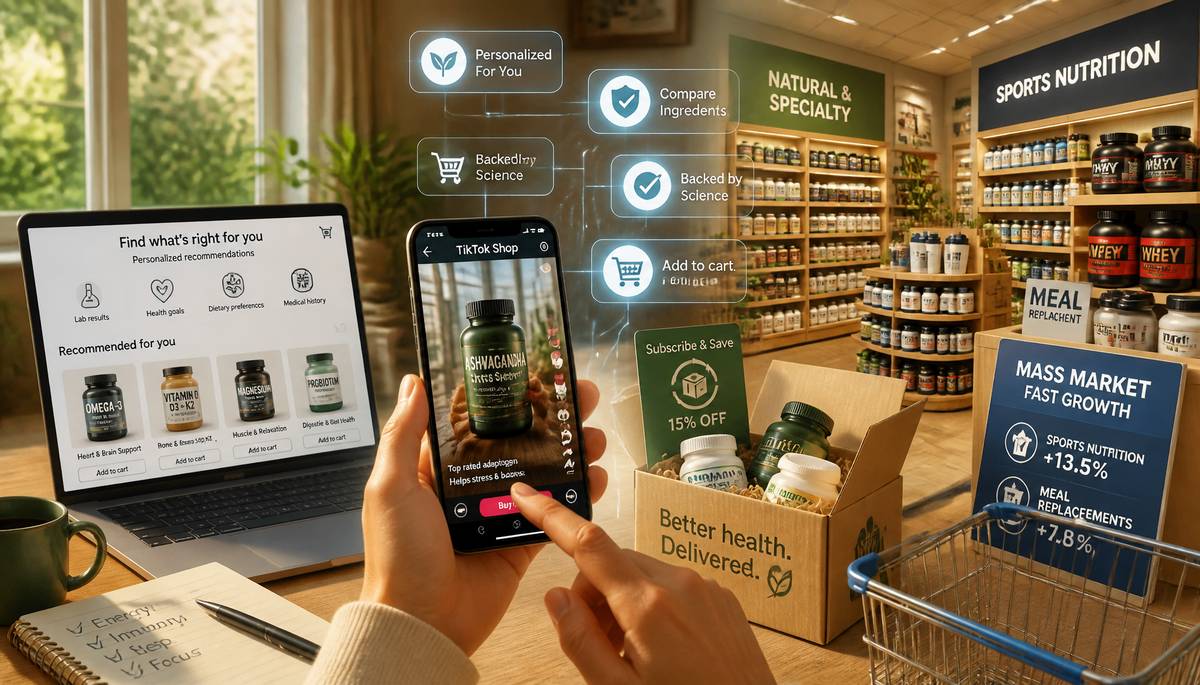 Buying supplements online is no longer just about convenience. The bigger shift is that digital tools are starting to influence not only what people consider, but what actually lands in their basket.
E-commerce is set to become the leading sales channel for dietary supplements this year, the latest step in a rise that has been building for well over a decade. That, by itself, isn’t surprising. What matters is how the mechanics of shopping have changed. People aren’t simply browsing retailer sites; they’re discovering products through social commerce, especially TikTok Shop, and using assisted shopping tools to compare formulas, assess claims and, in some cases, buy based on highly personal inputs such as lab results, medical history and dietary preferences.
That changes the texture of decision-making. The “shopper journey”, to use the ugly industry term, now sprawls across at least three major channels for many consumers.
Physical retail still matters, though in more specialised ways. Natural and specialty stores remain the top outlet for vitamins, a category worth $5.76 billion in 2025, and they continue to perform well in sports nutrition, meal replacements and specialist ingredients. Mass market chains, meanwhile, are seeing fast growth in sports nutrition and meal replacements, up 13.5% and 7.8% respectively. Add discounted subscriptions and repeat online purchasing, and the direction of travel looks fairly clear: recommendation is becoming transaction. Posted on 15 July 2026
Can AI Finally Prove Which Digital Tactics Actually Make Customers Care?
 Plenty of online retailers spend a fortune on slick sites, smart tools and personalised nudges, then wonder why customers remain as emotionally invested as a commuter with a delayed rail replacement bus. Two studies from the Universitat Oberta de Catalunya suggest the answer is fairly simple: digital tactics only pay properly when they make people care.
Led by Professors Inma Rodríguez-Ardura and Antoni Meseguer Artola, with colleagues María de los Ángeles García Haro, Qian Fu and Doaa Herzallah, the research found that engagement is the real engine of profit. Not clicks. Not mere traffic. Engagement: the mental, emotional and behavioural connection that makes customers pay attention, participate, return, recommend and, crucially, buy.
The studies, published in Electron Markets and the Journal of Research in Interactive Marketing, examined three broad tactics. Convenience cuts effort and time. Personalisation makes content and recommendations feel individually relevant. Hedonic design adds enjoyment through things like gamification or immersive environments. All can create value, but only by triggering engagement.
One especially potent tactic was “local presence”: augmented reality tools that let shoppers see glasses on their face or a sofa in their sitting room. It shrinks the psychological gap between person and product.
The team also used a blended PLS-ANN model, combining statistical analysis with neural networks, to trace how these strategies affect revenue. Next, they’ll test omnichannel retail in the US and China.
Posted on 10 July 2026
Why Are Australians Waiting For Prime Day To Buy Almost Everything?
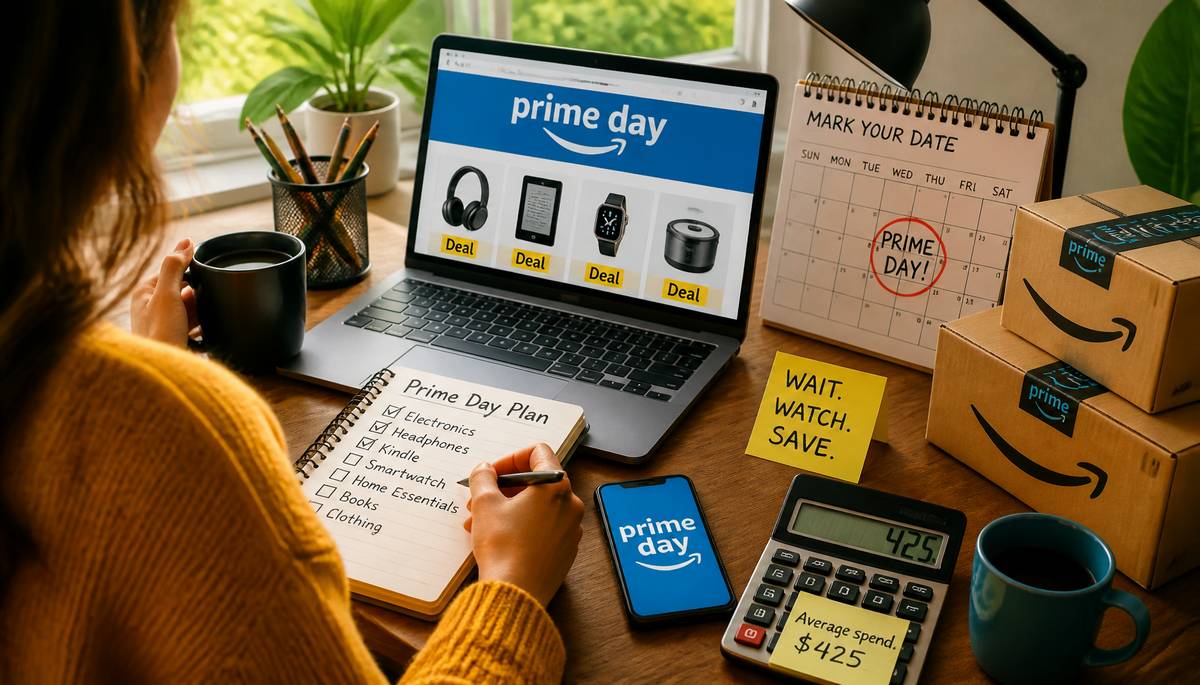 Australians are not impulse-buying nearly as much as they used to. They’re circling dates on the calendar and pouncing when Prime Day lands, like highly caffeinated bargain hawks with spreadsheets.
The shift is practical, not dramatic. Research from Pattern shows 66% of Australians either already have Amazon Prime access or expect to sign up within a year, while 60% bought something from Amazon in the past 12 months. Add cost-of-living strain, and the behaviour makes sense: Amazon-commissioned research found 88% of Australians have changed the way they shop, and 80% are deliberately holding off purchases until big sales events.
That planning is changing how people buy, not just when. Four in ten Australians bought during a Prime event in the past year, and 31% said Prime membership directly shaped a purchase. Amazon is also becoming a research stop before checkout; nearly half of online shoppers visited a brand’s website after first finding the product on Amazon, up 18% year on year.
Books, electronics and clothing remain strong categories, which tracks with earlier Prime Day demand for tech, homewares, toys and everyday essentials. During the 2025 event, conversion rates jumped 40% above normal periods, with a quarter of weekly turnover arriving on day one and more than half within 72 hours.
So why wait? Because for many Australians, spending an average $425 at major sales events feels less like shopping and more like strategy.
Posted on 6 July 2026
Europe Puts a Price on the Cheap Parcel
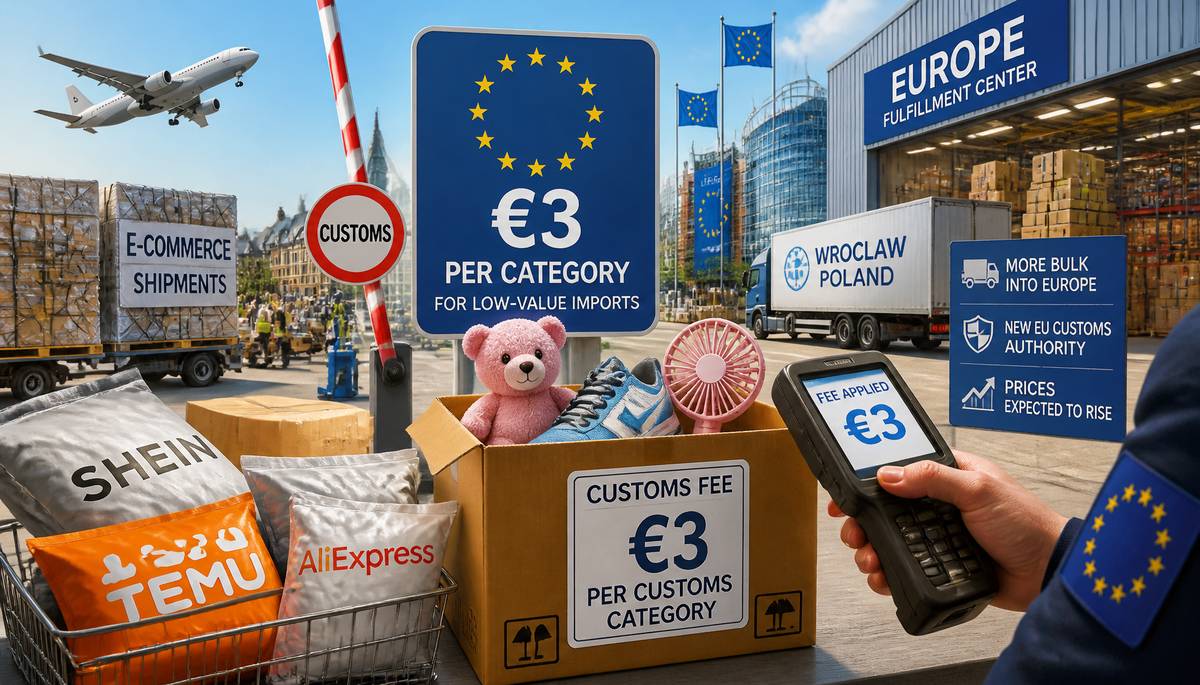 Europe has begun charging for the smallness that made fast-fashion parcels seem almost magical. From Wednesday, low-value e-commerce imports from China that once slipped into the bloc under the duty-free threshold now face a €3 fee for each customs category in a package. Three kinds of goods in one parcel means €9; five identical toys still mean €3.
The target is the flood: 5.8 billion e-commerce shipments worth under €150 entered the EU in 2025, up from 1.4 billion in 2022. That exemption, in place for decades and set at €150 since 2008, belonged to an earlier trade era. EU customs reform lead Dirk Gotink argues it has been exploited at industrial scale, giving overseas platforms an edge over businesses inside the bloc.
For Shein, Temu and AliExpress, the timing is bruising. The United States, their largest market, ended its de minimis break for Chinese imports in May and will scrap it for all imports at the end of August. Derek Lossing of Cirrus Global Advisors expects EU inbound e-commerce air volumes to drop 10% to 35% in the first weeks, with knock-on effects for global cargo.
Shein has expanded warehouse capacity in Wroclaw, Poland, and is moving more goods into Europe in bulk. By 2028, the €3 stopgap is due to give way to product-specific duties under the new EU Customs Authority. Prices are expected to rise.
Posted on 2 July 2026
Indonesia Tightens E-Commerce Rules to Lift Small Firms and Protect Consumers
 Indonesia has settled upon a fresh set of e-commerce rules, with the object of giving micro and small enterprises a sturdier footing in the digital bazaar while also tightening protections for shoppers.
Trade Minister Budi Santoso said Friday that the regulation, signed by him, will replace Trade Minister Regulation No. 31 of 2023. Its broad ambition is to make the PMSE framework—trade through electronic systems—fairer, healthier, and more useful, while keeping pace with technological change.
The rule concentrates on five matters: making domestic micro and small business goods easier to find online, smoothing business licensing, requiring clearer platform partnership terms, reinforcing consumer safeguards, and improving governance of digital technology.
Platforms will be expected to give greater visibility to local small-business products, offer promotional support, and explain fees and promotion policies with more candor than is often the custom in these modern emporiums. Merchants using digital platforms must also obtain business licenses. To ease the shift, the government will allow a transition period before full compliance is expected.
Platforms must also provide complaint and dispute-resolution channels. The regulation further addresses the use of artificial intelligence in promotion and marketing.
Two models are newly added to the Electronic Commerce System Operator category: ride-hailing apps and online travel agents. For ride-hailing platforms, the rule applies to goods sold through commercial app features, not transport services. OTAs cover ticketing, accommodation, attractions, and travel packages.
Posted on 29 June 2026
Whatnot and Shopify Aim to Bring Order to the Chaos of Live Commerce
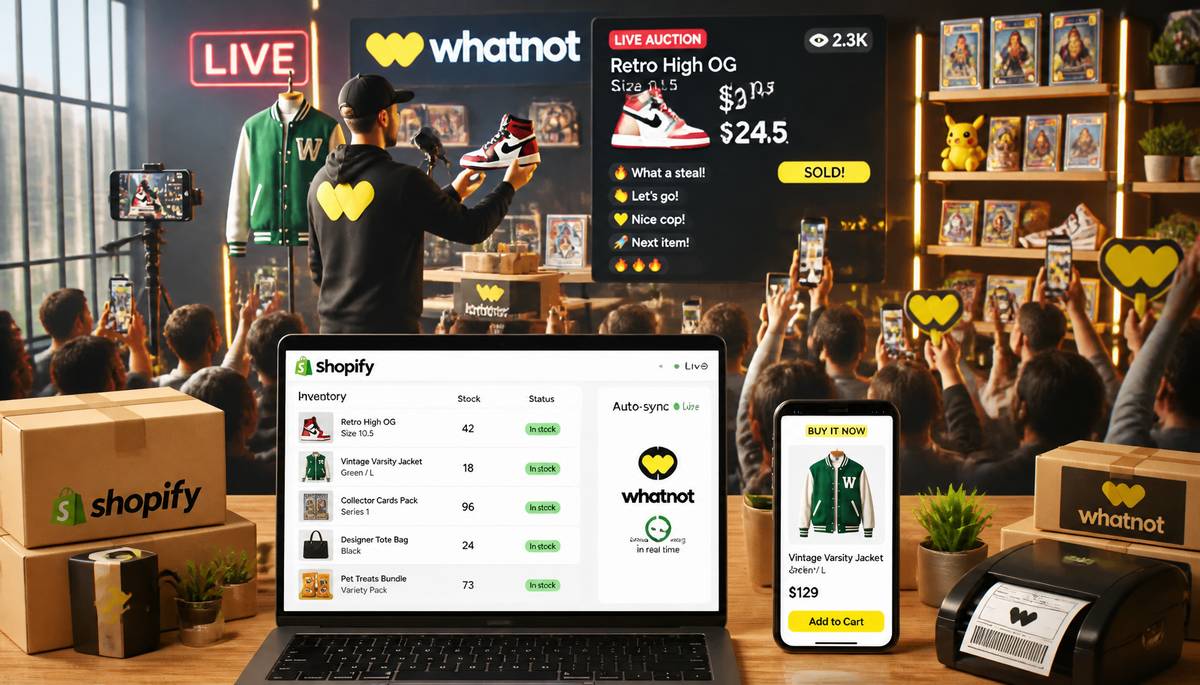 Live commerce is essentially retail with the pulse visible. Whatnot’s new direct Shopify integration tries to solve the least glamorous part of that theatre: stock counts, order flow, and the administrative panic that arrives when a popular stream turns into a buying stampede.
Whatnot, which topped $8 billion in live sales last year and is adding more than 500,000 users weekly, says sellers on the platform generate about 10 times the sales volume seen on other major marketplaces. Its research also found that U.S. sellers who stream daily average $69,000 a month, while nearly 90% believe brands that ignore live commerce risk losing ground.
The operational friction is obvious. More than 70% of Whatnot sellers using Shopify report trouble keeping products, inventory, and orders aligned across systems, especially during auctions and limited drops that create abrupt surges in traffic and transactions.
The integration leaves Shopify as the central hub for catalog and inventory, with stock syncing in real time as purchases happen on Whatnot. Sellers can add live shopping without rebuilding existing workflows.
That matters because Whatnot is no longer only a habitat for collectibles and vintage fashion. A recent beta produced $10 million in sales across 20 categories, including pets and food, and has drawn interest from mainstream retail and direct-to-consumer brands.
It also supports both live auctions and synchronized Buy It Now listings, extending sales between broadcasts and turning excitement into something closer to continuity.
Posted on 22 June 2026
AI Shoppers Arrive Ready to Buy
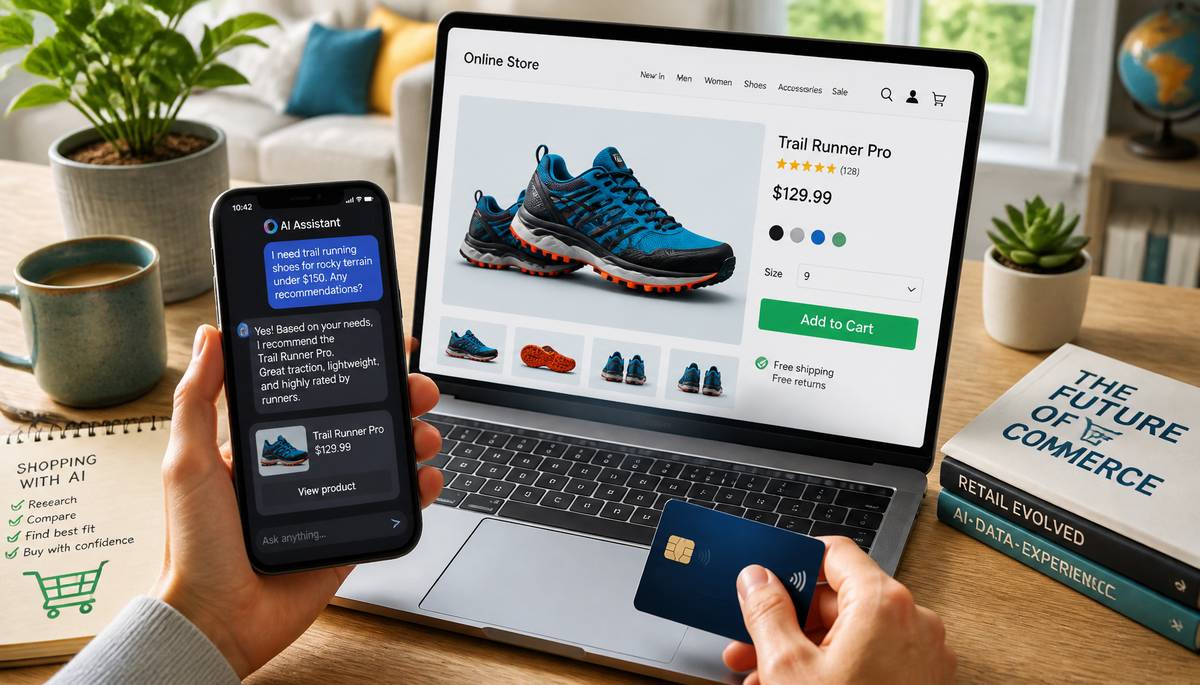 Retailers are discovering that shoppers arriving via AI assistants are not merely browsing about like confused aristocrats in a garden maze; they buy.
Adobe Analytics found US retail visits from tools such as ChatGPT and Gemini jumped 138% year on year in May 2026, the largest AI share of retail traffic since tracking began in October 2024, and higher than any month in 2025. These visitors were better behaved, commercially speaking: revenue per visit was 53% above non-AI traffic, conversion rates were 54% higher, engagement was 15% stronger, time on site rose 53%, page views climbed 23%, and bounce was 36% lower. AI bounce rates held around 17% to 20% for more than a year, versus about 27% for other traffic. A year earlier, AI traffic converted at nearly half the rate of non-AI visitors.
Consumer behaviour is shifting before the click. Adobe’s survey found 39% of consumers had used AI for shopping, and 85% of them said it improved the experience, especially for research and recommendations.
Shopify saw a similar pattern: AI-referred shoppers converted nearly 50% better than organic search users and spent 14% more on average. Over half of AI sessions landed on product pages, versus roughly 20% from search.
The catch: AI must be able to read the site. Product pages scored 66% for machine readability, behind homepages at 75% and category pages at 74%. Structured, detailed pages perform better, and the same referral uplift is now appearing in travel and finance.
Posted on 16 June 2026
Vietnam’s E-commerce Surge Meets the Delivery Bill
 Vietnam’s online shopping machine is growing like mad, but underneath the cheerful clicking there’s a lot of expensive sweating.
Logistics is still the awkward llama in the room. Delivery has become quicker, yes, splendid, but storage and fulfilment remain costly, especially for low-value orders and for customers in rural or mountainous areas. That helps explain why platforms are building their own delivery empires, with operations such as SPX Express and Lazada Logistics meant to tighten supply-chain control and shave costs.
Then there’s the platform bill. In the subsidy-happy early days, sellers were lured in with lower fees and promotional support. Now the market is less free champagne, more invoice. Merchants face commissions plus spending on ads, visibility tools, promotions, livestreams and engagement boosters. Small sellers say costs have climbed sharply, while algorithms and platform rules leave them less room to steer their own shops.
The imbalance is visible in the data. Metric found Shop Mall outlets were just 2.47 per cent of active stores on Shopee, Lazada and TikTok Shop in Q1, yet they captured 32.4 per cent of sales. Their store count fell 13 per cent, but revenue jumped 53 per cent.
SHS Research estimates Việt Nam’s e-commerce market could approach US$50 billion by 2028 and $70 billion by 2030, after hitting $31 billion last year. Beauty led Q1 revenue at VNĐ24.4 trillion, while women’s fashion surged nearly 75 per cent. Long-term growth, though, will depend on fairer rules, lower friction and stronger trust. Posted on 8 June 2026
Walmart Turns the Sandwich Counter Into Another Front in the Delivery War
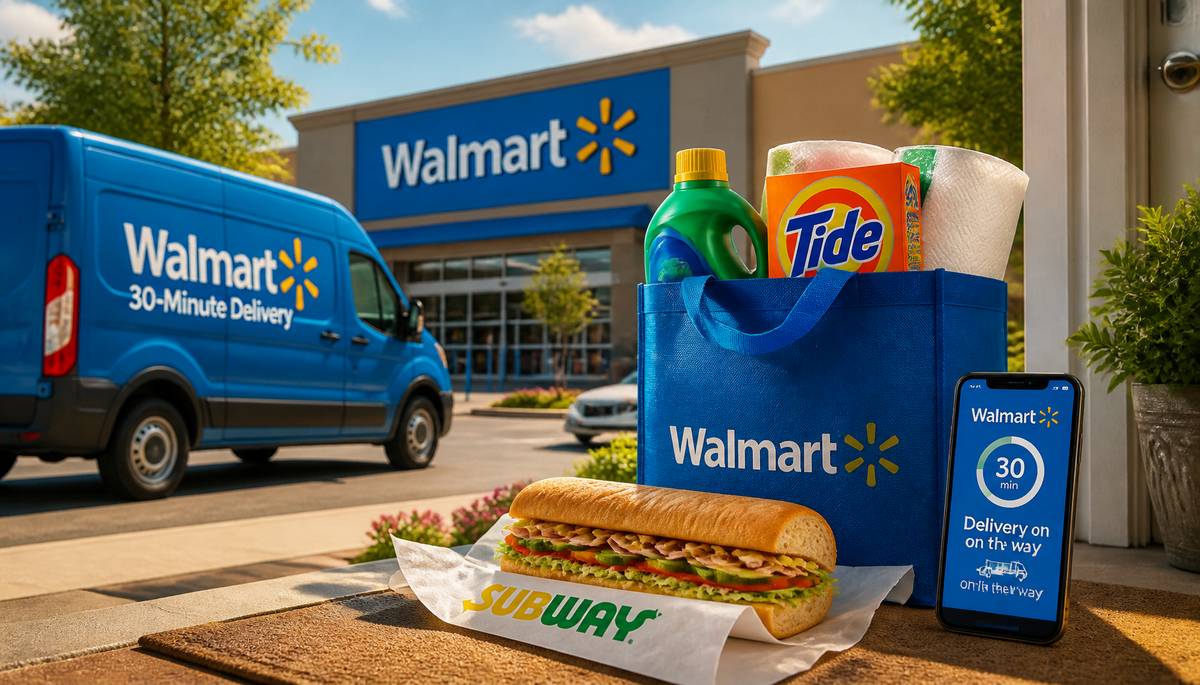 Walmart has decided that if people want a footlong with their washing powder, it may as well arrive before they’ve finished wondering whether this is civilisation or a symptom of it.
The retailer has folded Subway meals into its 30-minute delivery service through the Walmart app, extending a fast-delivery push aimed at making its stores function less like shops and more like local dispatch engines. The rollout, already operating in a handful of states, is expected to reach about 1,400 stores by late summer.
That matters because Subway is Walmart’s biggest in-store restaurant tenant, with a presence in its supercenters dating back to 2004. Other chains inside Walmart include Taco Bell, McDonald’s, Wendy’s, Auntie Anne’s and several regional brands. Walmart’s e-commerce chief Tracy Poulliot indicated the larger ambition is to bring express delivery to other in-tenant food locations as well.
The move sits squarely inside Walmart’s contest with Amazon for supremacy in speed and convenience. Walmart now uses its more than 4,600 stores as delivery hubs, has been experimenting with drones and AI-based inventory systems, and earlier this year expanded 30-minute delivery for groceries and general merchandise to roughly 33 cities.
In May, executives said this was the company’s fastest-growing delivery option. CFO John David Rainey told analysts that store-fulfilled delivery sales had more than doubled over two years, as convenience becomes especially attractive in a U.S. economy increasingly split by income.
Posted on 6 June 2026
The Robot in the Pantry
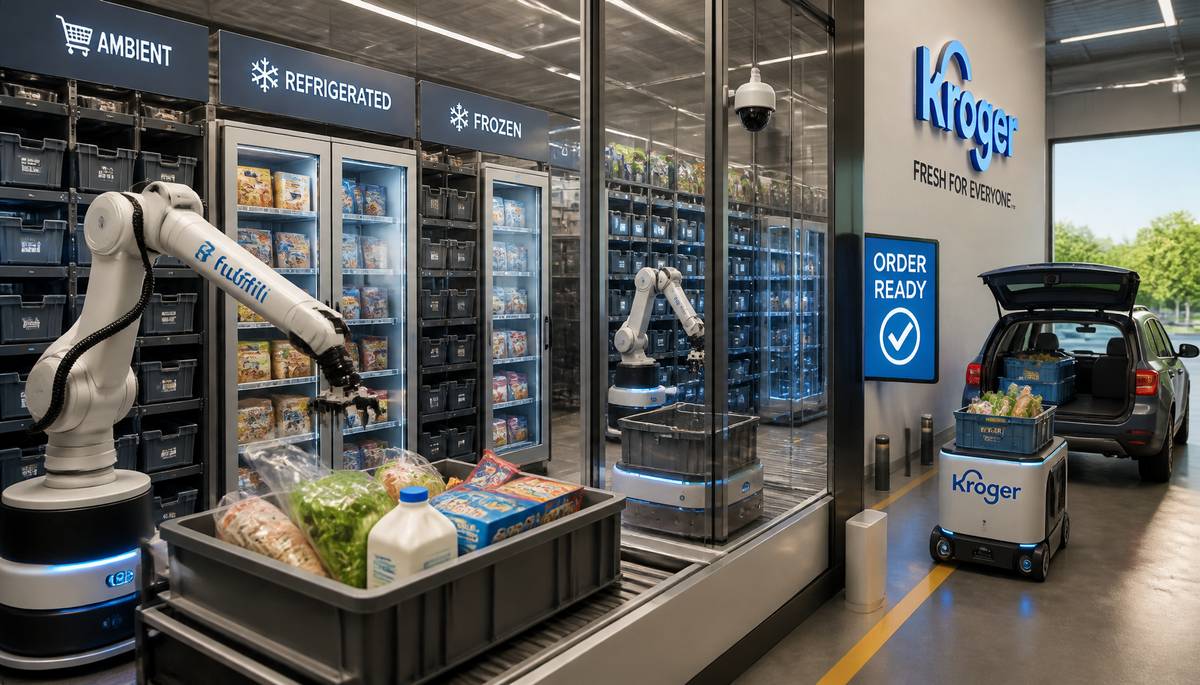 The future of the weekly shop may be less pastoral than mechanical: a ballet of sensors, chilled compartments and tireless mobile pickers working behind the supermarket wall. In 2025, 138 million Americans bought more than $327 billion in groceries online, according to Statistica; by 2029, that figure is projected to rise to $455 billion. The appetite is there. Profit, less so.
Online grocery remains vexed by ordinary disappointments with expensive consequences: bruised produce, substitutions no one wanted, delivery windows that slip, inventory systems that lag, and the stubborn cost of carrying milk and frozen peas to the final doorstep. Speed and accuracy now function as manners, and customers notice every lapse.
At the Future of Commerce: AI+Robotics Summit 2026 in the Cincinnati Innovation District, held at the University of Cincinnati’s 1819 Innovation Hub and Digital Futures complex, Kroger’s Yael Cosset and Fulfil’s Mir Aamir described why the two dominant models—large automated fulfillment centers or manual in-store picking—have both fallen short. The first demands immense volume and can place fulfillment too far from shoppers; the second keeps orders local but struggles with cost, consistency and quality.
Fulfil’s answer is compact in-store automation: dense storage for ambient, refrigerated and frozen goods, with robots, cameras and sensors handling picking, packing and inventory near the back of stores. For Kroger, headquartered in Cincinnati, such systems may become essential as ecommerce could account for 30% to 50% of grocery transactions in the coming decades. Posted on 3 June 2026
meanshopper.com (c)2009 - 2026